
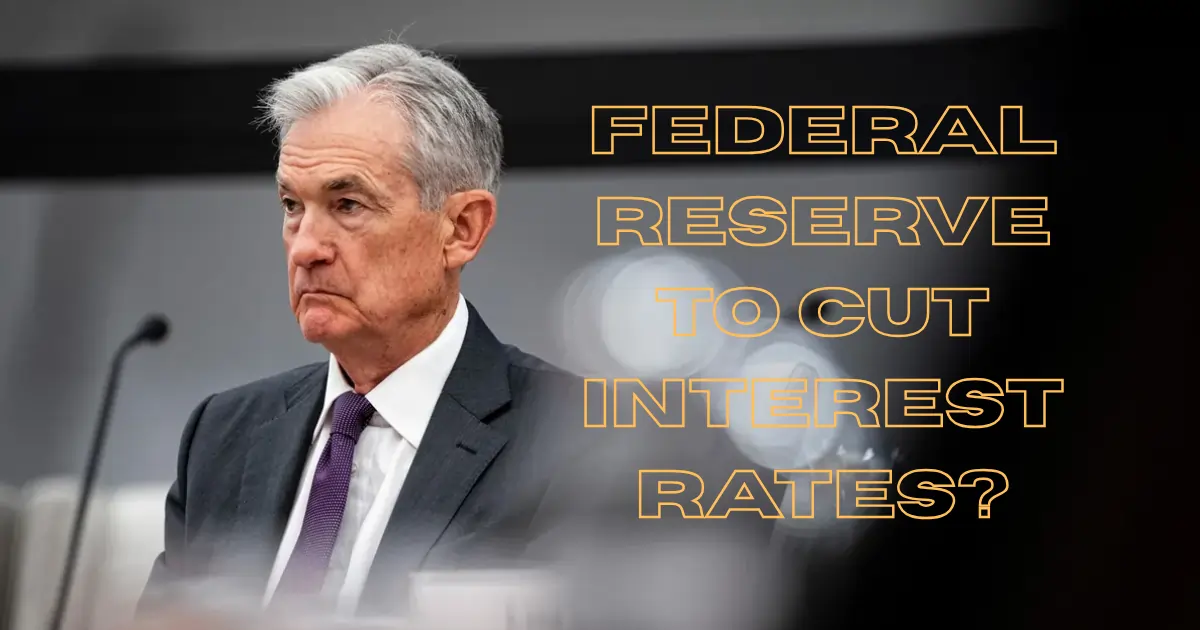
The U.S. Fed (Federal Reserve) has cut interest rates as expected but avoided giving any clear guidance on future moves, leaving investors uncertain about the next policy steps.
(Bloomberg) — Expectations are set for two things from this week’s Federal Reserve meeting: Officials will lower rates by a quarter percentage point and Chair Jerome Powell will offer little guidance as a growing divide among policymakers blurs the path ahead.
Inflation
Powell signaled earlier this month the Federal Open Market Committee remained focused on threats to the labor market. Then, a delayed inflation report published last week came in softer than expected, likely keeping the Fed’s inflation hawks at bay for now.
“The labor data continues to play a larger role in the debate,” said Krishna Guha, head of global policy and central bank strategy at Evercore ISI. As long as officials are comfortable with inflation expectations and the level of price pressures from wages and services, he said, Powell can stay focused on employment and “moving the Fed back to a neutral policy stance.”
The central bank’s rate decision will be published at 2 p.m. Wednesday in Washington, alongside a statement from the committee. Powell will hold a press conference 30 minutes later. The committee won’t release new forecasts, nor rate projections, at this meeting.
Federal funds futures indicate investors see a quarter-point cut as nearly a certainty.
The high likelihood of a rate cut, however, doesn’t mean policymakers are anywhere near united in how they view the outlook for rates. A large minority, while acknowledging risks to the job market, have continued to voice concerns about inflation.
The consumer price index rose by less than expected in September, but the core measure — which is considered a better guide to inflation’s underlying trend — rose by 3% year over year, a full percentage point above target.
What Bloomberg Economics Says…
“The FOMC is set to cut rates by 25 basis points at the Oct. 28-29 meeting, but what’s less certain is whether the committee will announce an end to Quantitative Tightening (QT). We do expect the FOMC to announce an end to QT, effective in November.”
— Anna Wong.
Some officials also point to stubbornly high price increases in segments of the economy, like services, that should be less affected by tariffs. Moreover, recent threats of new levies against China and Canada have introduced new uncertainties about prices and the economic outlook. As a result, the committee could prove even more divided now than it was in September, when nine members favored no more than one additional cut this year.
Against that backdrop, analysts expect Powell to avoid offering clear guidance on what to expect at upcoming meetings. The lack of official economic data — due to the ongoing government shutdown — will only make him more cautious.
“The hope is that eventually the incoming data helps to bridge the gap between the two camps,” said Matthew Luzzetti, chief US economist at Deutsche Bank Securities Inc. But as long as the divide persists, he added, Powell will provide “very little signal about December or beyond.”
Disclaimer: This story is for educational purposes only. The views and recommendations expressed are those of individual analysts or broking firms, not GoldSilverReports.com. We advise investors to consult with certified experts before making any investment decisions, as market conditions can change rapidly and circumstances may vary.